Mar 09, 2026
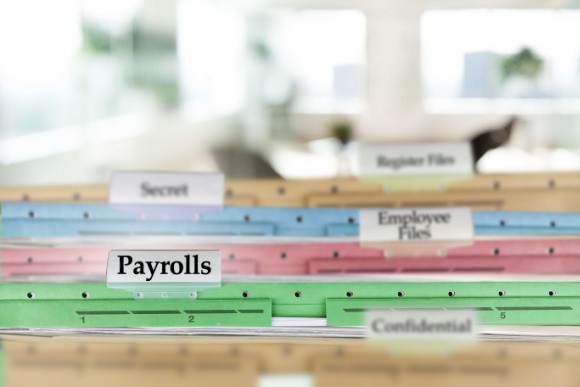
Maintaining accurate payroll records is essential for more than just compliance with labor and tax regulations. Good records provide a clear picture of earnings and deductions, strengthen budget planning and build trust with employees. They serve as evidence in the event of an audit, help identify irregularities before they become problems, and reduce the risk of costly fines. Just as important, payroll records support employees when they need proof of income — whether for renting an apartment or applying for a loan. They also provide employees with proof of employment.
What to keep and why
Payroll records cover a wide range of information: hiring documents, wages, pay periods, payroll taxes, wage rates, benefits and deductions. Under the Fair Labor Standards Act, employers must maintain accurate records in either paper or electronic format.
Smaller companies often wonder which records should be retained. At a minimum, keep the following:
The FLSA requires employers to retain payroll records for three years and supporting documents such as timecards, wage rate tables and schedules for two years. Separately, the Family and Medical Leave Act requires employers to retain all FMLA-related records for three years.
However, some states have rules that go further. For example, New York requires six years of payroll records and detailed payday wage statements. The IRS also sets its own requirements, calling for at least four years of payroll tax records for audits and return filings.
Additional federal laws impose more requirements. The FMLA mandates recordkeeping for job-protected leave, while the Employee Retirement Income Security Act requires employers to keep retirement plan records for at least six years. If an employee is terminated involuntarily, the Equal Employment Opportunity Commission mandates that personal and employment history records be retained for one year.
How to stay compliant
The Department of Labor's Wage and Hour Division enforces payroll record rules, and records must be available for inspection. Many employers use payroll software that automatically standardizes payroll records, ensuring compliance and providing legal access and advice. These electronic records facilitate readiness for e-discovery — the legal process of collecting and producing records in response to audits, investigations or lawsuits. If paper records are used, ensure safe storage in a fireproof lockbox.
Regularly reviewing and updating payroll records not only ensures compliance with federal, state and local laws but also helps track labor costs, strengthens financial reporting and prepares you for records requests. In other words, compliance protects your business, your employees and your bottom line.
© 2026

Sep 24, 2026
Employers are painfully aware that they face a 21st-century skills shortage. Companies are bent on hiring a "new collar" workforce to keep up with advances in technologies like artificial intelligence and automation. Read through to learn about an untapped resource.
Sep 23, 2026
If you're having a problem with the IRS, you have rights! For one, you don’t have to go it alone. You are allowed to have an expert in your corner. Read through for details on the regulations that protect you.
Sep 22, 2026
Inflation is a key challenge that businesses of every size face when developing compensation strategies. Read through to see how your business can position itself in the competitive wage war to attract and retain employees.
Sep 21, 2026
The gig economy, characterized by companies hiring short-term, contract or freelance workers, has been surging since the 2020 pandemic when people were mandated to work remotely. By current estimates, one-third of American workers are doing some form of gig work. Read through to learn more about what this arrangement is doing to traditional payroll structures.
Aug 27, 2026
The pandemic reshaped how and where work gets done, disrupting the U.S. office market and accelerating the shift toward remote and hybrid models. While return-to-office efforts have focused on productivity, collaboration and culture, they have also been influenced by practical concerns such as long-term leases and underused office space. Read through to see how hybrid work continues to evolve.
Aug 26, 2026
Your company has terminated an employee — and now you're bracing for what they might say about their former workplace online. Social media can turn a disgruntled former worker into a very public critic. Read through for an overview of ways to prevent disparagement through culture and policy, deter it with a nondisparagement clause and respond to it with legal help.
More News & Press can be found in our Archive.