Dec 16, 2025
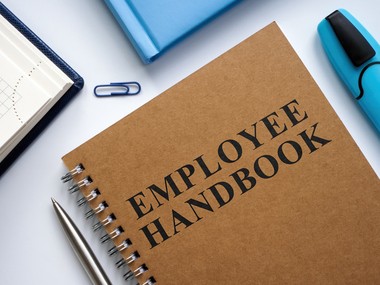
An employee handbook is a vital resource for new hires, helping them quickly adapt to your company's culture, policies and expectations. It serves as a guide to workplace conduct, legal regulations and company benefits.
Additionally, it reinforces accountability — employees sign an acknowledgment form confirming they have read and understood the handbook, which can be helpful when enforcing company policies.
Introduction and company overview
The handbook should begin with an introduction that outlines its purpose and welcomes new employees to the organization. This section typically includes the following:
This section sets the tone for workplace culture and provides new employees with an understanding of the organization they are joining.
Workplace conduct and expectations
Clearly defining workplace conduct ensures employees understand how to represent the company professionally, both in and outside the office. This section should include these details:
Additionally, outline the legal aspects of employment, such as confidentiality agreements, noncompete clauses and employee acknowledgment forms.
Employment policies and procedures
This section provides clarity on employment-related policies, helping employees understand their rights and responsibilities.
Here are some key topics you may want to include:
Workplace safety and inclusion should also be addressed, including harassment and discrimination policies, fraternization guidelines, and workers' compensation procedures.
Attendance and work schedules
Establishing clear expectations for attendance and working hours helps maintain productivity and fairness.
This section should cover these details:
Professionalism in the workplace
Maintaining a professional and respectful work environment is essential. Clearly outline policies related to this information:
These policies help reinforce a professional and secure working environment for all employees.
Compensation and benefits
Employees should have a clear understanding of their compensation and available benefits. This section should outline the following information:
Providing transparency on these topics ensures employees understand their total compensation package.
Time off and leave policies
Employees need clear guidelines on when and how they can take time off. Cover policies related to the following topics:
Acceptable use of company property
To maintain security and productivity, it's important to establish guidelines for using company resources:
Clearly defining these policies helps protect company data and maintain professionalism in digital communications.
Employee monitoring policies
If your company monitors employee activities — whether digitally or physically — transparency is key. This section should outline the following:
Performance management and discipline
A structured approach to performance management helps employees grow while maintaining accountability.
Key areas to cover are as follows:
Legal disclaimers and handbook updates
To protect the company and set proper expectations, include disclaimers that state the following:
Please note a handbook will need to be updated if and when there are changes to industry-related regulations, labor laws or company policies.
The best way to go about this is to minimize guesswork and elect a staff member who is responsible for updating the employee handbook when said changes come about. That way, if difficult questions pop up regarding certain protocols or how something should be done, the handbook can reduce confusion for everyone involved.
Wrapping it up
It is wise to outsource your handbook, but make sure you customize them according to your company's needs and rules.
Use everyday language, but feel free to ask an employment specialist to review it to make sure it abides by both federal and state regulations. The easier the material is to read, the easier it will be for your staff to understand the policies and implement them at work, resulting in a more positive and productive work culture.
Does this sound complicated? It is! Ask about our HR services that will help with the creation of your company's handbook to ensure it adheres to regulations and meets your company's needs.
©2025

Sep 24, 2026
Employers are painfully aware that they face a 21st-century skills shortage. Companies are bent on hiring a "new collar" workforce to keep up with advances in technologies like artificial intelligence and automation. Read through to learn about an untapped resource.
Sep 23, 2026
If you're having a problem with the IRS, you have rights! For one, you don’t have to go it alone. You are allowed to have an expert in your corner. Read through for details on the regulations that protect you.
Sep 22, 2026
Inflation is a key challenge that businesses of every size face when developing compensation strategies. Read through to see how your business can position itself in the competitive wage war to attract and retain employees.
Sep 21, 2026
The gig economy, characterized by companies hiring short-term, contract or freelance workers, has been surging since the 2020 pandemic when people were mandated to work remotely. By current estimates, one-third of American workers are doing some form of gig work. Read through to learn more about what this arrangement is doing to traditional payroll structures.
Aug 27, 2026
The pandemic reshaped how and where work gets done, disrupting the U.S. office market and accelerating the shift toward remote and hybrid models. While return-to-office efforts have focused on productivity, collaboration and culture, they have also been influenced by practical concerns such as long-term leases and underused office space. Read through to see how hybrid work continues to evolve.
Aug 26, 2026
Your company has terminated an employee — and now you're bracing for what they might say about their former workplace online. Social media can turn a disgruntled former worker into a very public critic. Read through for an overview of ways to prevent disparagement through culture and policy, deter it with a nondisparagement clause and respond to it with legal help.
More News & Press can be found in our Archive.