Jul 02, 2026
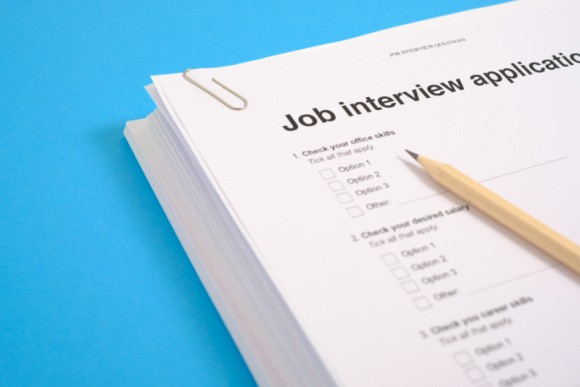
Job interviews are a key part of the selection process in which both the hiring manager and the interviewee are trying to learn as much as they can during a two-way conversation. Since job interviews generally last no longer than an hour, it goes without saying that first impressions count. A recent survey of 2,000 hiring managers found that about one-third knew within the first 90 seconds of the interview whether they would hire the person.
A successful interviewer needs to do their homework up front by understanding the qualifications and requirements of the role as outlined in the job description. Part of that research is to speak directly with the manager or supervisor about the job to better understand what they are looking for in a new hire. Make sure you have reviewed the candidate's resume thoroughly prior to the interview and prepare a list of questions that allows the candidate to elaborate on their qualifications.
To be fair, ask all candidates the same questions so you can compare their responses. Being a great interviewer is an art that improves with time and practice. Here are a few best practices for conducting stronger interviews:
A hiring interview is a two-way conversation between an employer and a job candidate. When you choose the right person for the role, it's rewarding to know you've helped advance their career.
©2026

Sep 24, 2026
Employers are painfully aware that they face a 21st-century skills shortage. Companies are bent on hiring a "new collar" workforce to keep up with advances in technologies like artificial intelligence and automation. Read through to learn about an untapped resource.
Sep 23, 2026
If you're having a problem with the IRS, you have rights! For one, you don’t have to go it alone. You are allowed to have an expert in your corner. Read through for details on the regulations that protect you.
Sep 22, 2026
Inflation is a key challenge that businesses of every size face when developing compensation strategies. Read through to see how your business can position itself in the competitive wage war to attract and retain employees.
Sep 21, 2026
The gig economy, characterized by companies hiring short-term, contract or freelance workers, has been surging since the 2020 pandemic when people were mandated to work remotely. By current estimates, one-third of American workers are doing some form of gig work. Read through to learn more about what this arrangement is doing to traditional payroll structures.
Aug 27, 2026
The pandemic reshaped how and where work gets done, disrupting the U.S. office market and accelerating the shift toward remote and hybrid models. While return-to-office efforts have focused on productivity, collaboration and culture, they have also been influenced by practical concerns such as long-term leases and underused office space. Read through to see how hybrid work continues to evolve.
Aug 26, 2026
Your company has terminated an employee — and now you're bracing for what they might say about their former workplace online. Social media can turn a disgruntled former worker into a very public critic. Read through for an overview of ways to prevent disparagement through culture and policy, deter it with a nondisparagement clause and respond to it with legal help.
More News & Press can be found in our Archive.